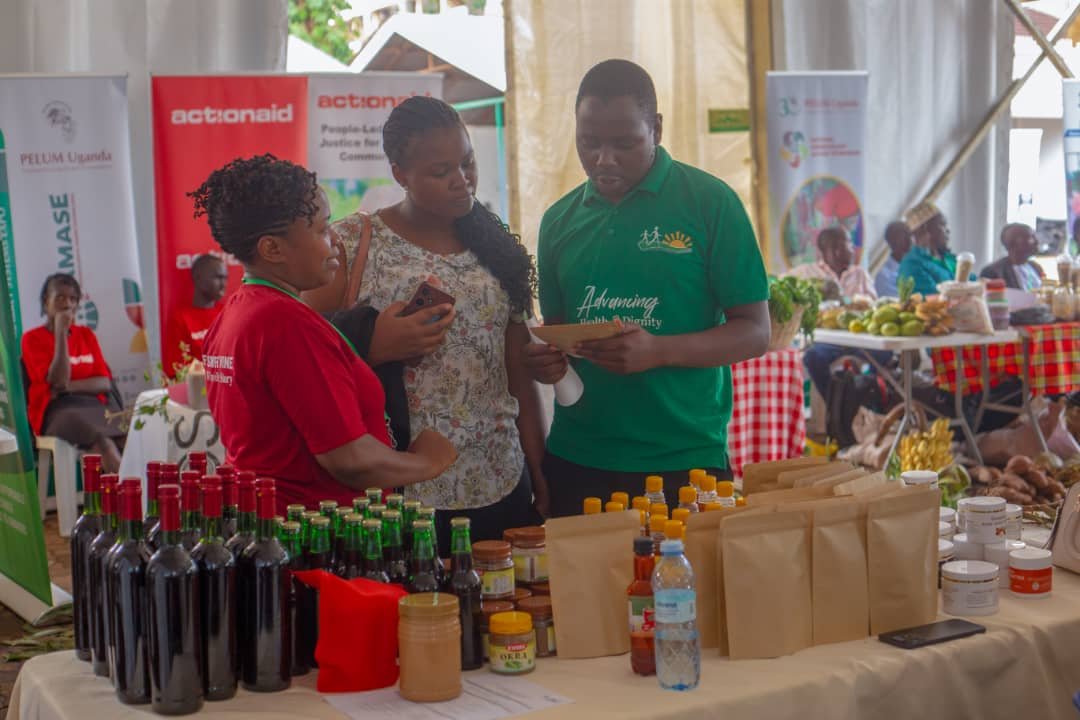
In recent years, Uganda has seen a surge in initiatives promoting agroecology and sustainable practices, with organizations like Health Promotion and Rights Watch Uganda (HPRW) leading the charge. Our work at the Hunga Agro Centre in Bushenyi District is a testament to the power of community driven development.
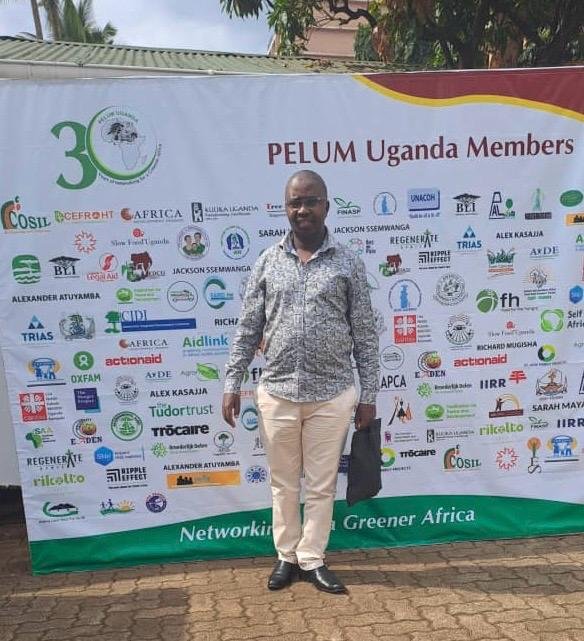
The Participatory Ecological Land Use Management (PELUM) Uganda held its Agroecology Week of Action (AWA) 2025 in Kampala, bringing together over 1,500 stakeholders from across the country. The event aimed to provide an inclusive platform for diverse actors to scale up, scale out and scale deep agroecology in Uganda.
Agroecology was recognized as a critical approach to addressing the challenges facing Uganda’s agricultural sector, including climate change, soil degradation, and low crop yields. “Agroecology is not just a way of farming, it’s a way of life,” said a smallholder farmer from northern Uganda. “It’s about taking care of the land, the community, and our health.”

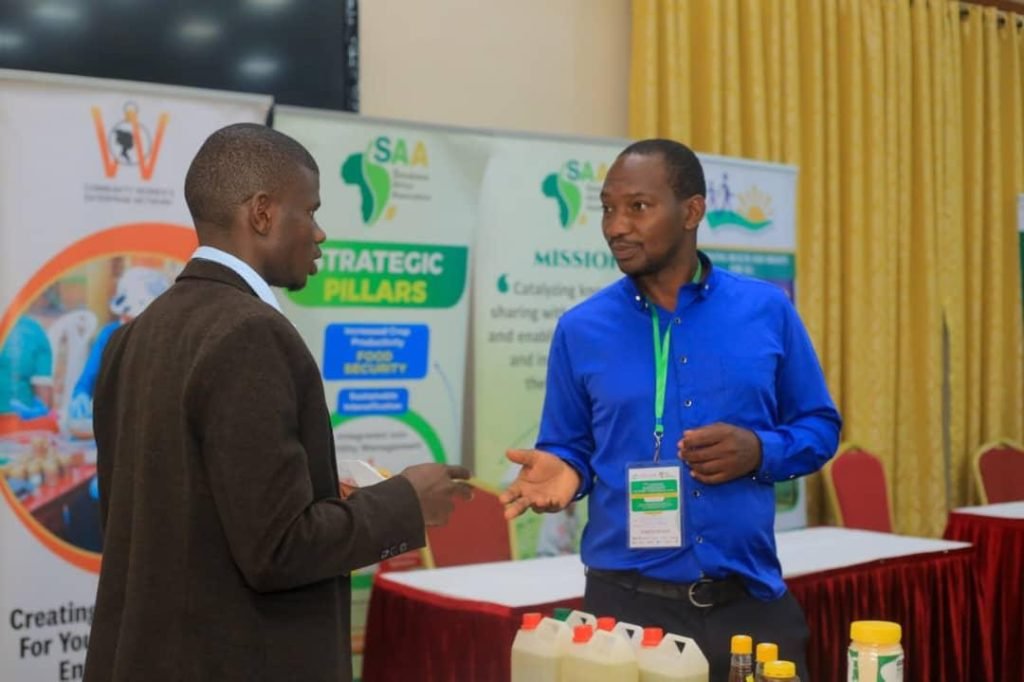
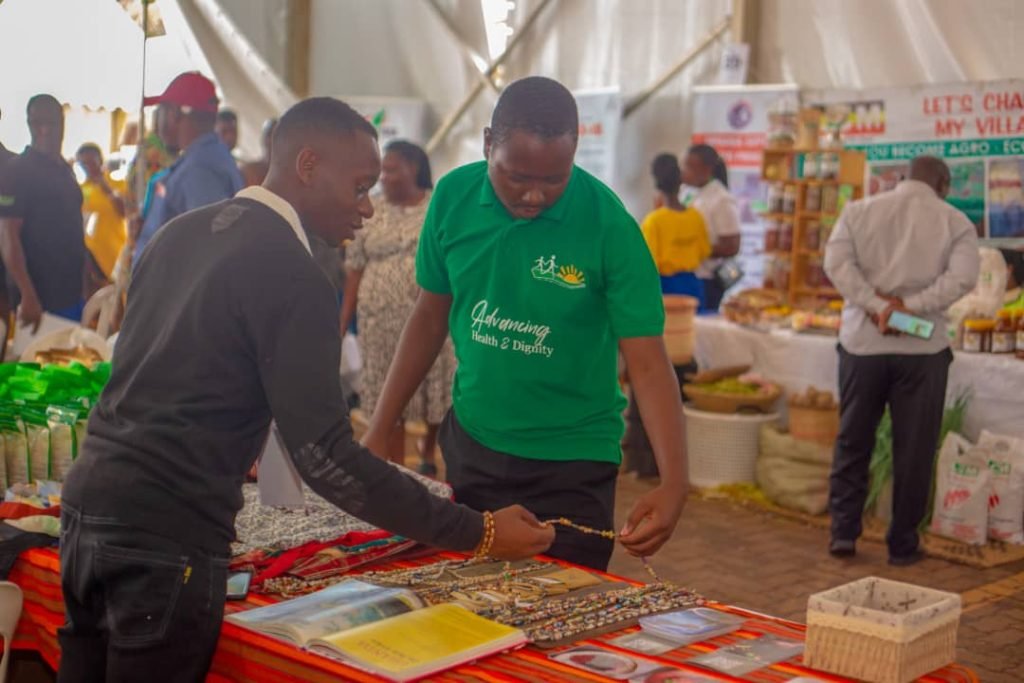
The event showcased various agroecological practices and innovations, highlighting their potential to improve the livelihoods of smallholder farmers. Exhibitors shared knowledge and experiences on topics such as organic farming, agroforestry, and integrated pest management. Health Promotion and Rights Watch Uganda were among the organizations that participated in the event, emphasizing the importance of agroecology in promoting healthy food systems and protecting the rights of smallholder farmers.
“We need policy support to scale up agroecology in Uganda,” emphasized by a policy advocate. “This includes investing in extension services, research, and market access for smallholder farmers.” Participants emphasized the importance of sustainable agriculture practices in ensuring food security and promoting environmental conservation.
The importance of knowledge sharing and exchange among stakeholders, including farmers, researchers, and policymakers, was also highlighted. The event showcased various initiatives aimed at empowering smallholder farmers, including training programs, access to markets and financial services.
The exhibition hall featured a range of exhibitors showcasing their work on agroecology, including demonstrations of various agroecological practices and innovative technologies. Some exhibitors demonstrated organic farming techniques, while others showcased precision agriculture and mobile apps for farmers.
The event demonstrated the importance of collaboration, knowledge sharing and policy support in promoting agroecology and empowering smallholder farmers. As we look to the future, it’s clear that agroecology will play a critical role in ensuring food security, promoting sustainable agriculture and improving the livelihoods of smallholder farmers in Uganda.